

The Hidden Power of Movement: How Strength Training Helps Seniors Stay Active and Pain-Free
Aging doesn’t have to mean slowing down. In fact, movement—especially strength training—can be one of the most powerful tools for maintaining independence, confidence, and quality of life. For adults over 55, building and preserving strength plays a critical role in staying active, pain-free, and living fully.
This guide explains why strength training matters as you age, how to do it safely, and the incredible benefits it can bring to your daily life. Whether you’re a beginner or returning after years away from structured exercise, it’s never too late to move better, feel stronger, and live healthier.
Why Strength Training Matters After 55
Combatting Age-Related Muscle Loss
Starting in your 40s and 50s, the body naturally begins to lose muscle mass and bone density—a process known as sarcopenia. Without regular strength training, this decline can lead to:
- Increased fatigue
- Difficulty with everyday tasks (climbing stairs, rising from a chair)
- Reduced balance and stability
- Higher risk of falls and injuries
Strength training helps reverse or slow this process by stimulating muscle growth, improving bone strength, and enhancing coordination.
Supporting Joint Health and Mobility
Unlike high-impact workouts, low-load resistance training is joint-friendly. Strengthening muscles around the joints provides better support, reducing pain and stiffness caused by conditions like arthritis or prior joint replacements.
Boosting Cardiovascular Health
While we often associate strength training with muscle, it also improves cardiovascular health. Building lean muscle increases metabolism, improves blood sugar control, and supports heart function—making daily activities feel easier.
Quick Stat: According to the Centers for Disease Control and Prevention, adults 65+ who engage in strength training at least twice a week see a 30% lower risk of falls and improved overall functional ability.
How Strength Training Improves Daily Quality of Life
Strength training isn’t just about lifting weights—it’s about lifting your life. The benefits extend far beyond the gym or workout session.
| Before Strength Training | After Strength Training | Key Benefit | Timeline |
|---|---|---|---|
| Difficulty rising from chairs | Stand with ease and confidence | Increased lower-body strength | 4–6 weeks |
| Fatigue after short walks | Walk longer distances without tiring | Improved endurance and energy | 6–10 weeks |
| Fear of losing balance | Better balance and posture | Reduced fall risk | 8–12 weeks |
| Morning stiffness and aches | Easier movement and joint comfort | Better mobility and flexibility | 6–8 weeks |
| Avoiding favorite activities | Returning to hobbies and family time | Greater independence and joy | 10+ weeks |
Everyday Wins
- Stair climbing feels easier
- Carrying groceries becomes less taxing
- Walking outdoors is more confident and stable
- Playing with grandchildren feels fun again—not tiring
- Traveling and hobbies remain possible and enjoyable
Safe, Joint-Friendly Exercises for Seniors
The best strength training program for seniors focuses on functional, low-impact movement that builds strength, improves balance, and protects the joints.
Foundational Strength Movements
- Sit-to-Stand: Mimics rising from a chair, strengthening the legs and glutes
- Stair Step-Ups: Builds lower-body strength and improves balance
- Hip Hinges: Strengthens the posterior chain (hips and back), improving posture and core support
Gentle Resistance Training
- Resistance Bands: Ideal for joint-friendly, controlled tension
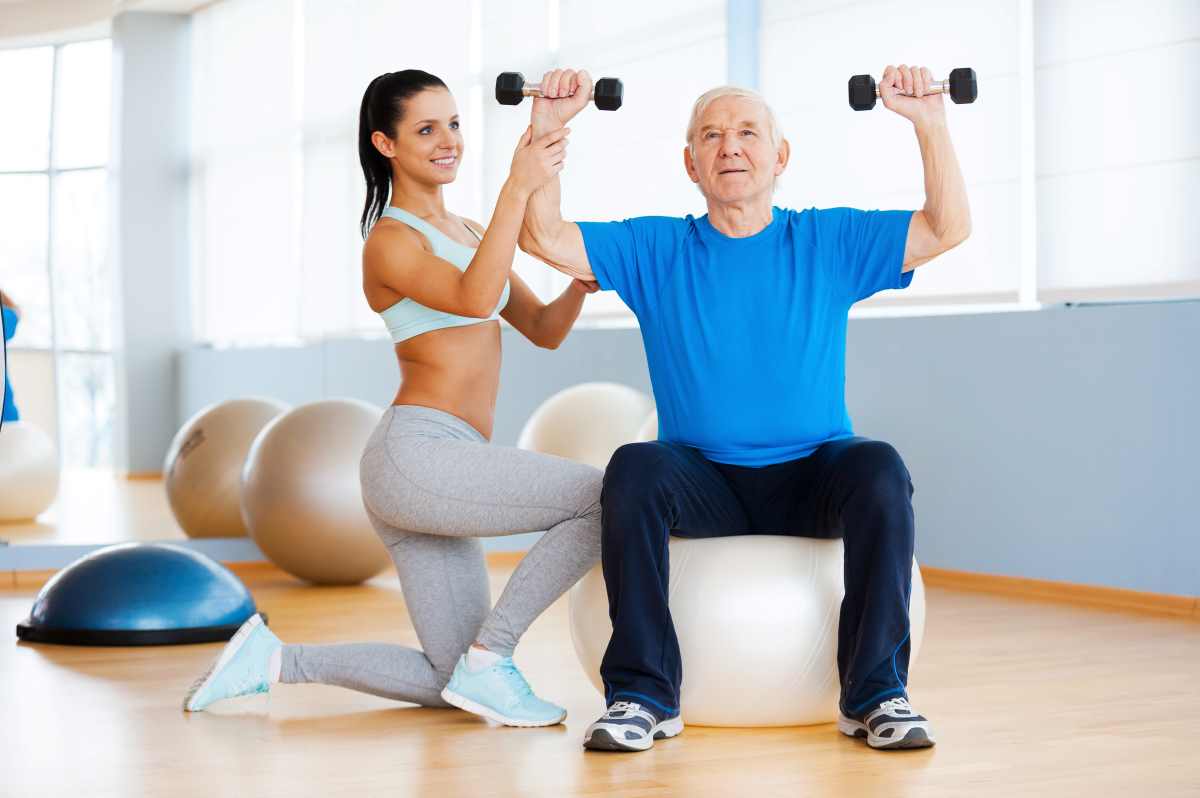
- Light Dumbbells: Great for improving grip strength and functional upper-body strength
- Body-Weight Exercises: Safe and effective even for beginners
Mobility & Balance Work
- Single-leg balance drills to improve stability and reduce fall risk
- Core strengthening for posture and walking mechanics
- Dynamic warm-ups for better joint mobility before training
How Strength Training Protects Bone Density
Bone health becomes especially critical as we age. Weight-bearing exercises—like squats, step-ups, or standing resistance moves—stimulate bone tissue to remodel and increase density.
Expert Insight: According to the National Institute on Aging, resistance training is one of the most effective non-pharmacological interventions for maintaining bone mass and preventing osteoporosis.
Benefits of Improved Bone Density:
- Lower risk of fractures and falls
- Greater structural stability
- Increased independence in daily living
Key Tip: Start gradually. Even two sessions per week of gentle resistance training can make a measurable difference.
Personalized Training vs. Generic Workouts
Not all workouts are created equal—especially for older adults. Personalized senior strength training programs offer:
| Generic Gym Program | Personalized Senior Program |
|---|---|
| One-size-fits-all approach | Tailored to your specific mobility, goals, and comfort level |
| May ignore medical conditions | Adjusted for arthritis, joint replacements, or chronic issues |
| Intimidating and overwhelming | Supportive, paced, and empowering |
| Focus on aesthetics | Focus on balance, mobility, independence, and quality of life |
Working with a certified personal trainer ensures proper form, a safe progression plan, and the confidence to move without fear of injury.
Mental and Emotional Benefits of Strength Training
Strength training isn’t just physical—it’s deeply empowering. Regular movement:
- Reduces stress and anxiety
- Boosts endorphins and mood
- Improves cognitive sharpness through learning new patterns
- Builds self-confidence by achieving milestones
- Encourages social engagement if training with a coach or group
Research Insight: Seniors who engage in resistance training show improved cognitive performance and reduced depressive symptoms compared to inactive peers (Harvard Health Publishing).
Why In-Home Training Works So Well for Seniors
Many older adults avoid the gym for valid reasons—intimidation, mobility issues, transportation, or comfort. In-home personal training solves those problems.
Advantages of In-Home Training:
- No commute or crowded gym
- Comfortable and familiar environment
- Training tailored to your pace and space
- Enhanced safety and confidence
- Easier consistency and long-term adherence
All you need is a small workout area, light dumbbells or resistance bands, and a trainer who understands your needs.
Realistic Timeline: When You’ll Feel the Results
Consistency matters more than intensity. Here’s what many seniors experience:
| Weeks of Training | Common Results |
|---|---|
| 2–4 weeks | Increased energy, less stiffness, improved mood |
| 4–8 weeks | Noticeable strength gains, improved posture and walking confidence |
| 8–12 weeks | Enhanced balance, better endurance, less daily fatigue |
| 12+ weeks | More independence, greater ease in daily activities, reduced joint discomfort |
FAQs
- Is strength training safe for people over 55?
Yes—when done with proper guidance, strength training is safe and highly beneficial for older adults, including those with arthritis or joint replacements. - How often should seniors strength train?
Ideally, aim for 2 to 3 sessions per week, focusing on low to moderate resistance and functional movement patterns. - Do I need a gym to get started?
No. In-home training with minimal equipment (resistance bands, light dumbbells, body weight) is extremely effective. - Will strength training make me sore or tired?
Mild soreness can occur as your body adapts, but proper warm-up, cool-down, and gradual progression minimize discomfort. - Can strength training really improve bone density?
Yes. Weight-bearing and resistance exercises are proven to support bone health and reduce osteoporosis risk. - What if I have limited mobility?
Training can be fully customized to your abilities—using seated exercises, balance aids, and mobility work to build strength safely. - How soon will I feel stronger?
Most clients report improved stability and energy within 4–6 weeks, with noticeable strength gains by 8–10 weeks. - Is it ever too late to start strength training?
No. People in their 70s, 80s, and beyond benefit tremendously from starting a safe, guided program.
Take the First Step Toward Strength and Independence
Strength training isn’t just about muscles—it’s about freedom. The freedom to live life on your terms, move without fear, and enjoy the activities you love.
Whether you’re hoping to:
- Climb stairs with confidence
- Keep up with your grandchildren
- Travel without fatigue
- Or simply feel stronger every day
A personalized senior strength training program can help you get there.
Book your consultation with Hannah
NSCA Certified Personal Trainer
Serving Syosset, Woodbury, Plainview, Melville, and Farmingdale
Email: eurofit36@gmail.com
Phone: 516-254-9873
“It’s not about adding years to your life. It’s about adding life to your years.”