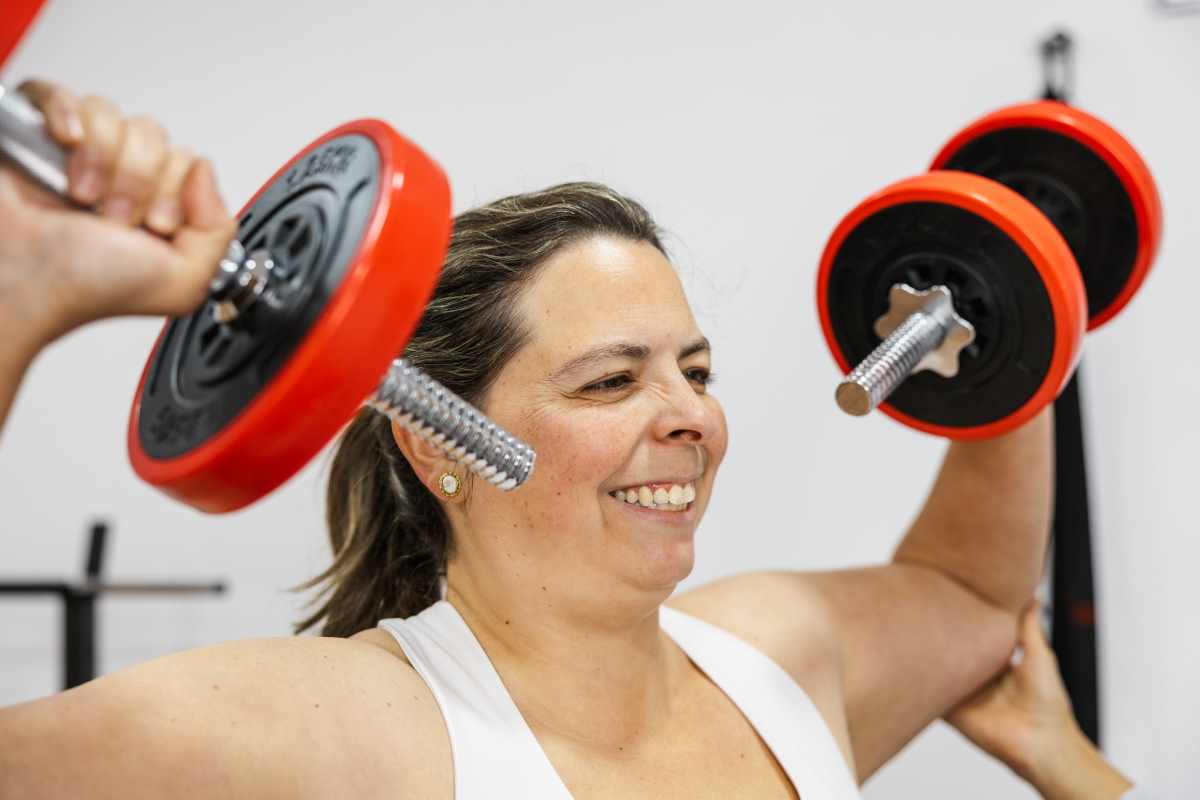
When most people think of weight loss, they imagine endless cardio sessions, restrictive diets, and nervously stepping on the scale. But if your goal is to lose fat and keep it off, there’s a smarter, more sustainable strategy — building muscle.
Muscle is not just about appearance; it’s one of the body’s most powerful tools for boosting metabolism, burning calories at rest, and maintaining long-term body composition.
This guide explains why muscle-building should be at the center of every fat-loss plan, why cardio alone isn’t enough, and how personalized weight-loss coaching can help you achieve lasting results — without punishing workouts or deprivation diets.
Why Traditional Weight Loss Plans Don’t Last
The Problem with Cardio-Only Fat Loss
Yes, cardio burns calories — but the effect is short-lived. Once your workout ends, so does the burn. Over-relying on cardio often:
- Leads to muscle breakdown in a calorie deficit
- Slows down resting metabolic rate
- Creates plateaus that make long-term fat loss harder
- Increases hunger and fatigue, making adherence difficult
Muscle vs. Fat: Why Body Composition Matters
Losing weight isn’t the same as losing fat. When cardio and restrictive diets cause both fat and muscle loss:
- Resting metabolism drops
- Energy levels decline
- Weight rebounds quickly
According to Harvard Health Publishing, adults lose 3–8% of muscle mass per decade after age 30 — faster after 40. Replacing that lost muscle through resistance training is essential to keeping fat off.
Why Muscle Is Your Metabolic Advantage
1. Muscle Increases Resting Metabolic Rate (RMR)
Muscle is metabolically active tissue — it burns calories even while you sleep.
- 1 lb of fat burns ~2 calories per day at rest
- 1 lb of muscle burns ~6–10 calories per day at rest
That difference adds up. The more lean muscle you build, the higher your basal metabolic rate (BMR) and the more calories you burn around the clock.
2. Muscle Protects Against “Yo-Yo” Weight Regain
Losing weight quickly without resistance training often causes rebound gain. Muscle maintenance prevents this by sustaining a higher metabolism and stabilizing weight.
3. Muscle Training Balances Hormones
Resistance training supports insulin sensitivity, thyroid health, and cortisol regulation — all vital for energy balance and fat metabolism.
4. Muscle Enhances Everyday Function and Confidence
A stronger, leaner body:
- Makes daily tasks easier (lifting, stairs, carrying)
- Improves posture and joint stability
- Boosts confidence and energy levels
Why Cardio Alone Isn’t Enough
Cardio supports heart health and calorie burn, but it shouldn’t stand alone in a fat-loss plan. Without resistance training, it can:
- Cause muscle loss
- Increase hunger
- Limit body composition improvements
Research from the American College of Sports Medicine shows that combining strength and cardio leads to greater fat loss and muscle preservation than cardio alone.
Comparison: Cardio vs. Strength Training
| Factor | Cardio Only | Strength Training (with Cardio) |
|---|
| Calories burned during workout | High | Moderate |
| Calories burned after workout | Low | High (EPOC effect) |
| Muscle mass | Often lost | Preserved or gained |
| Metabolism | Decreases over time | Increases with lean mass |
| Long-term fat loss | Less sustainable | More sustainable |
Key takeaway: Strength training builds the foundation for sustainable fat loss.
How Building Muscle Boosts Fat Loss Over Time
Unlike quick-fix diets, strength training compounds results over time:
- Month 1–2: Increased energy, improved recovery, initial strength gains
- Month 3–4: Visible muscle tone, steady fat loss, better sleep
- Month 5–6: Faster metabolism, leaner physique, sustainable habits
Body recomposition — losing fat while building muscle — transforms both your appearance and metabolic efficiency.
Nutrition: Fuel for Muscle Growth and Fat Loss
Building muscle while losing fat isn’t about eating less — it’s about eating smarter.
Core Nutrition Principles
- Prioritize protein for muscle repair and fullness
- Balance macros (protein, healthy fats, complex carbs) for steady energy
- Stay hydrated to optimize muscle performance
- Follow the 80/20 rule — focus on nutrient-dense foods 80% of the time
Example Macro-Focused Plate
| Component | Examples | Role |
|---|
| Lean Protein | Chicken, fish, tofu, Greek yogurt | Muscle repair & satiety |
| Complex Carbs | Sweet potatoes, quinoa, oats | Training fuel & recovery |
| Healthy Fats | Avocado, olive oil, nuts | Hormone balance & energy |
| Fiber & Micronutrients | Leafy greens, colorful veggies | Digestion & nutrition support |
What a Muscle-First Fat Loss Plan Looks Like
Weekly Training Framework
- 3 strength sessions (full-body or upper/lower split)
- 2 active recovery or light cardio days
- 1 rest day
Core Training Elements
- Compound lifts: squats, rows, presses, hinges
- Accessory work: core, glutes, stability
- Progressive overload for continuous gains
- Optional interval cardio for conditioning
Tip: 30–45 minutes of structured resistance training, 3 times weekly, can significantly reshape body composition.
How Weight Loss Coaching Accelerates Results
Personalized Strategy
- Tailored programming for your current fitness level and goals
- Balances fat loss with muscle preservation
- Prevents plateaus and overtraining
Accountability and Structure
- Habit tracking, progress monitoring, and expert feedback
- Ensures consistency and proper form
Education That Lasts
- Understand the “why” behind every method
- Develop skills to maintain results independently
Realistic Fat Loss Timeline
| Timeframe | Typical Progress |
|---|
| 4 Weeks | More energy, better sleep, reduced bloating |
| 8 Weeks | Noticeable tone, improved posture, steady fat loss |
| 12 Weeks | Stronger, leaner, faster metabolism |
| 6+ Months | Sustainable transformation with lasting results |
Reminder: Building muscle creates a long-term advantage over restrictive crash diets.
Common Myths About Muscle and Fat Loss
Myth 1: “Lifting weights makes you bulky.”
Reality: Strength training defines and tones; it doesn’t bulk unless combined with a caloric surplus.
Myth 2: “Cardio is the only way to lose fat.”
Reality: Cardio burns calories short term; muscle burns calories long after your workout ends.
Myth 3: “I need to lose weight before lifting.”
Reality: Start strength training immediately — it accelerates fat loss and prevents muscle loss.
Myth 4: “You can spot reduce fat.”
Reality: You can’t choose where fat comes off, but lean muscle reshapes your entire body.
FAQs: Muscle Building and Fat Loss
Can I build muscle and lose fat at the same time?
Yes, with proper training, nutrition, and recovery — especially if you’re new to lifting.
How much cardio do I need?
Two to three moderate sessions weekly are enough when combined with strength training.
Do I need heavy weights?
Not always. Consistent progressive resistance (even with lighter loads or bands) works effectively.
When will I see results?
Most clients notice strength improvements within 4 weeks and visible changes by 8–12 weeks.
Do I have to give up my favorite foods?
No — flexible, balanced nutrition is key to sustainability.
Can strength training reduce belly fat?
Yes, it raises your metabolic rate and promotes overall fat reduction.
Take the Smarter Path to Fat Loss
If you’re done with endless cardio and restrictive diets, it’s time to focus on strength. Building muscle gives you:
- A faster metabolism
- Better body composition
- Higher energy and confidence
- Sustainable fat loss you can maintain for life
Book your consultation with Hannah
NSCA Certified Personal Trainer
Serving Syosset, Woodbury, Plainview, Melville, and Farmingdale
Email: eurofit36@gmail.com
Phone: 516-254-9873
“Don’t just lose weight. Build strength — and keep it off for good.”